
Introduction
Chronic Obstructive Pulmonary Disease (COPD) is a progressive and potentially life-threatening respiratory condition that affects millions of people worldwide. Characterized by chronic inflammation of the lungs and obstructed airflow, COPD is a leading cause of morbidity and mortality globally. Despite its prevalence, COPD often remains under diagnosed and undertreated, leading to increased healthcare costs and a significant burden on individuals and healthcare systems.
What is COPD?
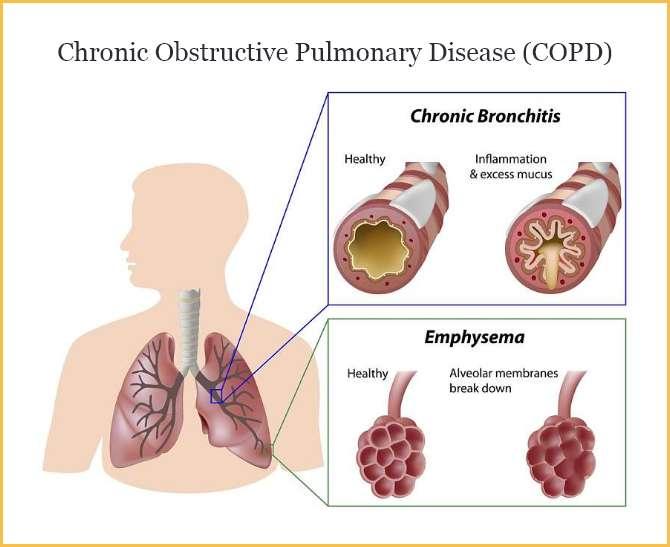
COPD is an umbrella term that encompasses several lung diseases, most commonly chronic bronchitis and emphysema.In chronic bronchitis, the airways become inflamed, leading to excessive mucus production and chronic cough. Emphysema, on the other hand, damages the air sacs in the lungs, reducing their elasticity and causing difficulty in exhaling air. Both conditions lead to obstructed airflow and a progressive decline in lung function.
Causes and Risk Factors
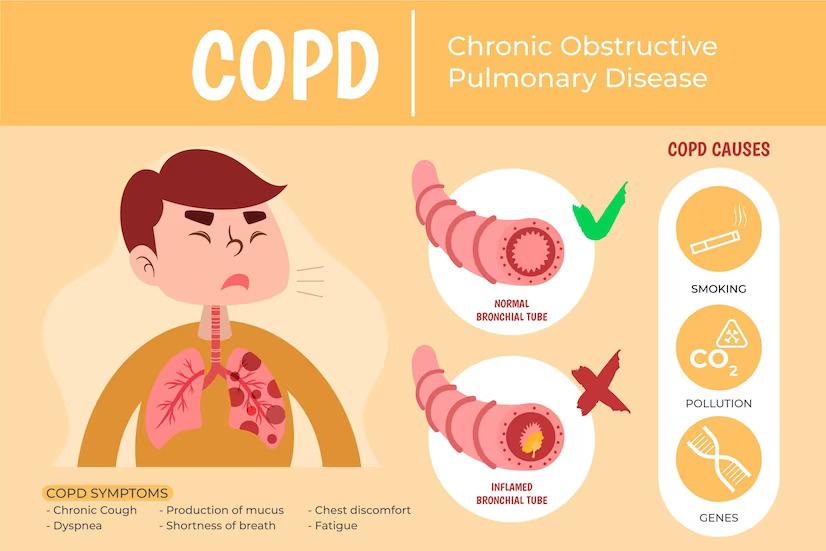
The primary cause of COPD is long-term exposure to harmful airborne particles and gases. Cigarette smoking is the leading risk factor for COPD, with approximately 80-90% of COPD cases attributed to smoking. Other risk factors include exposure to secondhand smoke, occupational dust and chemicals (such as coal dust, silica, and asbestos), indoor and outdoor air pollution, and genetic predisposition.
Symptoms
COPD symptoms typically develop slowly and worsen over time. Early symptoms may be subtle and easily overlooked, leading to delayed diagnosis. Common signs and symptoms of COPD include:
1. Shortness of breath, especially during physical activity.
2. Chronic cough, often accompanied by mucus (sputum) production.
3. Wheezing or a whistling sound when breathing.
4. Chest tightness or discomfort.
As the disease progresses, these symptoms may become more severe, interfering with daily activities and reducing the quality of life.
Diagnosis
Diagnosing COPD involves a combination of patient history, physical examination, and lung function tests. Spirometry is a key diagnostic test that measures how much air a person can inhale and exhale and how fast they can exhale. It is essential in confirming the presence of airflow limitation, a hallmark of COPD.
Stages of COPD
COPD is categorized into stages based on the severity of airflow limitation. The most commonly used classification system is the GOLD (Global Initiative for Chronic Obstructive Lung Disease) staging system, which includes four stages ranging from mild to very severe COPD.
Management and Treatment
While COPD is a chronic and progressive disease, early diagnosis and appropriate management can significantly improve patients’ quality of life and slow the disease’s progression. The primary goals of COPD management include:
1. Smoking cessation: For smokers with COPD, quitting smoking is the most crucial step in slowing the progression of the disease and improving lung function.
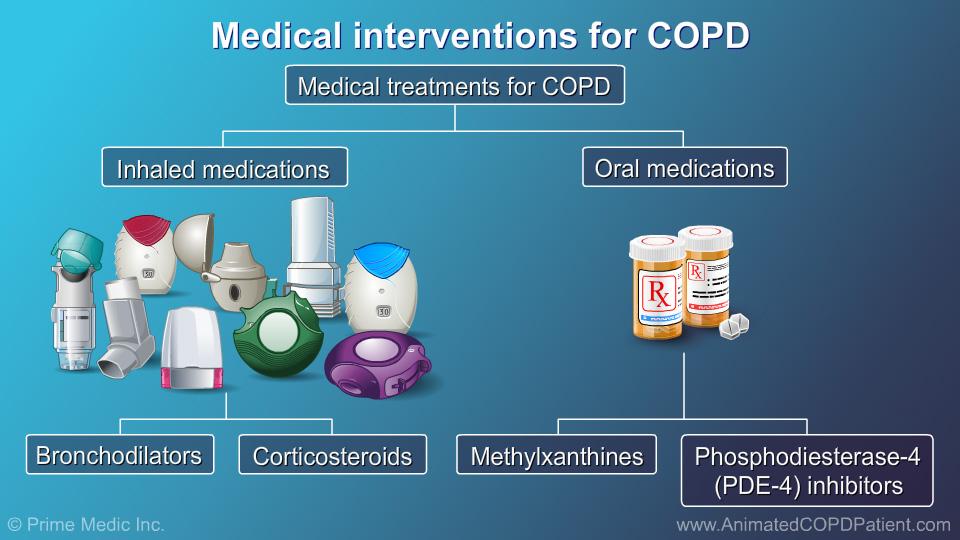
2. Medications: Various medications, such as bronchodilators, inhaled corticosteroids, and combination therapies, are prescribed to open up the airways, reduce inflammation, and alleviate symptoms.
3. Pulmonary rehabilitation: This structured program includes exercise training, education, and support to help patients improve their physical abilities and cope with the emotional challenges of living with COPD.
4. Oxygen therapy: For individuals with advanced COPD and low blood oxygen levels, supplemental oxygen therapy may be necessary to improve oxygenation and overall well-being.
5. Surgery: In some cases, surgical interventions like lung volume reduction surgery or lung transplantation may be considered for selected patients with severe COPD.
Prevention
Preventing COPD largely revolves around avoiding exposure to the risk factors. The most effective preventive measure is to quit smoking and avoid exposure to secondhand smoke. Reducing exposure to environmental pollutants and workplace hazards can also play a significant role in preventing COPD.
Conclusion
COPD is a prevalent and debilitating respiratory disease that affects millions of people around the world. Its impact on individuals and healthcare systems cannot be understated. Early diagnosis, appropriate management, and prevention strategies are essential in reducing the burden of COPD and improving the lives of those affected by this silent epidemic. Raising awareness about COPD, promoting healthy lifestyle choices, and advocating for cleaner air and safer workplaces are crucial steps towards combating this respiratory condition and creating a healthier future for all.