
Introduction:
Spirometry is a commonly used diagnostic tool in the field of respiratory medicine, providing valuable insights into lung function and helping in the diagnosis and management of various pulmonary conditions. Pulmonary Function Testing (PFT) using spirometry is a non-invasive procedure that measures the volume and flow of air entering and leaving the lungs. This article aims to provide a comprehensive understanding of spirometry and its role in evaluating respiratory health.
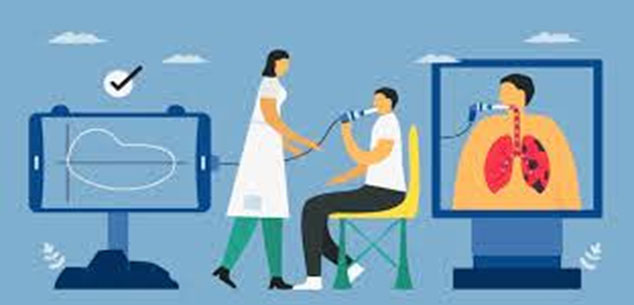
What is Spirometry?
Spirometry is a pulmonary function test that assesses how well the lungs are functioning by measuring the amount of air a person can breathe in and out, as well as the speed and efficiency of airflow. It involves the use of a spirometer, a specialized device that records lung capacity and airflow patterns.
The Procedure:
During a spirometry test, the individual is asked to take a deep breath and then exhale forcefully and rapidly into the spirometer. The spirometer measures different parameters, including forced vital capacity (FVC), forced expiratory volume in one second (FEV1), and the ratio between these two values (FEV1/FVC ratio). FVC represents the maximum amount of air that can be forcefully exhaled after taking a deep breath, while FEV1 measures the amount of air expelled in the first second of exhalation. The FEV1/FVC ratio is an essential parameter for diagnosing obstructive lung diseases, such as asthma and chronic obstructive pulmonary disease (COPD).

Symptoms of Pleural Effusion:
The symptoms of pleural effusion can vary depending on the amount of fluid present and the underlying cause. Common signs and symptoms include:
- Shortness of breath or difficulty breathing
- Chest pain, which may worsen during deep breathing or coughing
- Dry or productive cough
- Fatigue and weakness
- Decreased appetite and unintentional weight loss
- Fever, if an infection is present
Clinical Applications:
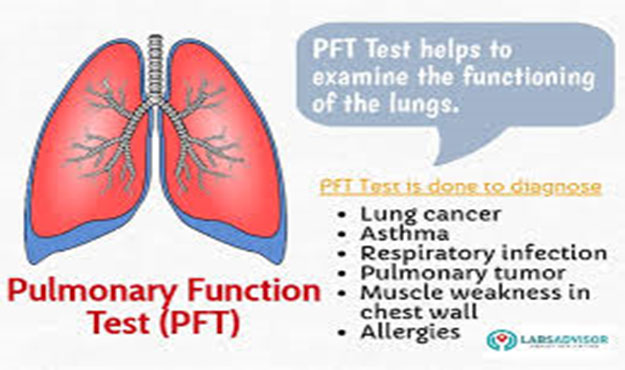
Spirometry plays a crucial role in diagnosing and managing various respiratory conditions. Here are some common applications:
- Asthma: Spirometry helps in evaluating the severity of asthma and monitoring its progression. It can identify airflow limitations and measure the effectiveness of bronchodilator medications.
- COPD: Spirometry is used to diagnose COPD and assess its severity. It aids in differentiating between obstructive and restrictive lung diseases and helps guide treatment decisions.
- Occupational Lung Diseases: Spirometry is valuable in assessing lung function impairment due to occupational exposure to dust, chemicals, or other harmful substances.
- Preoperative Evaluation: Spirometry helps determine a patient’s lung health before undergoing surgery, ensuring their respiratory system can withstand the stress of anesthesia and surgery.
- Smoking Cessation: Spirometry can serve as a motivational tool for individuals trying to quit smoking by showing them the impact of smoking on their lung function.
Interpreting Spirometry Results:
Spirometry results are interpreted by comparing the obtained values with predicted values based on age, height, sex, and ethnicity. Several parameters are considered, including FVC, FEV1, FEV1/FVC ratio, and peak expiratory flow rate (PEFR). Abnormal spirometry results may indicate the presence of lung diseases, and further evaluation may be required.
Conclusion:
Spirometry is a vital tool in assessing lung function and diagnosing respiratory conditions. It provides valuable information that guides treatment decisions, monitors disease progression, and evaluates the efficacy of interventions. Regular spirometry testing can help detect lung diseases at an early stage, enabling prompt intervention and improved patient outcomes. If you have concerns about your respiratory health, consult a healthcare professional who can determine if spirometry is necessary for your specific case.