
Introduction:
Asthma is a chronic respiratory condition that affects millions of people worldwide. It is a condition that requires careful management to lead a fulfilling and active life. In this blog, we will delve into the basics of asthma, its causes, symptoms, and explore effective strategies for managing and living well with this condition.
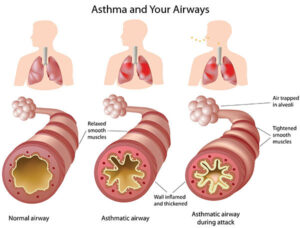
What is Asthma?
Asthma is a chronic inflammatory disease of the airways that affects the lungs. Individuals with asthma have sensitive airways that become inflamed and narrow when triggered by certain stimuli, making breathing difficult. This inflammation causes recurring episodes of wheezing, chest tightness, shortness of breath, and coughing.
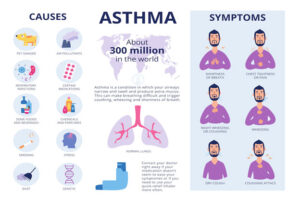
Diagnosis and Treatment:
– Medical Evaluation: A comprehensive assessment involving medical history, physical examination, and lung function tests to diagnose asthma accurately.
– Medications: Inhalers (bronchodilators and corticosteroids) to relieve symptoms and reduce inflammation.
– Asthma Action Plan: A personalized plan that outlines medication use, triggers to avoid, and steps to take during an asthma attack.
– Allergy Management: Identifying and avoiding allergens through lifestyle modifications and, if necessary, allergen immunotherapy.
– Regular Check-ups: Periodic visits to the healthcare provider to monitor symptoms, adjust medication, and assess lung function.
Lifestyle Modifications and Asthma Management:
– Avoiding Triggers: Identifying and minimizing exposure to triggers like allergens, smoke, and pollution.
– Healthy Environment: Maintaining clean indoor spaces, regular vacuuming, reducing humidity, and improving ventilation.
– Exercise and Physical Activity: Engaging in regular physical activity while taking appropriate measures to prevent exercise-induced asthma, such as warming up and using medication as prescribed.
– Stress Management: Adopting relaxation techniques like deep breathing exercises, meditation, and yoga to reduce stress and manage asthma symptoms.
– Balanced Diet: Consuming a nutritious diet rich in fruits, vegetables, whole grains, and omega-3 fatty acids, which may have anti-inflammatory properties.
– Smoking Cessation: Quitting smoking and avoiding secondhand smoke, as smoking can worsen asthma symptoms.
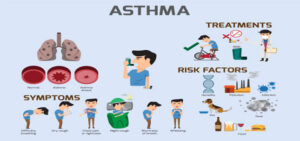
Symptoms and Diagnosis
Allergy symptoms can vary depending on the type and severity of the allergic reaction. Common signs of allergies include:
- Sneezing and nasal congestion
- Itchy or watery eyes
- Skin rash or hives
- Itchy throat or ears
- Coughing or wheezing
- Shortness of breath
- Abdominal pain, diarrhea, or vomiting (in food allergies)
Conclusion:
Living with asthma requires understanding the condition, managing triggers, and following a comprehensive treatment plan. By working closely with healthcare professionals and adopting a proactive approach, individuals with asthma can lead fulfilling lives, pursue their passions, and enjoy good respiratory health. Remember, knowledge and self-care are vital in managing asthma effectively and minimizing the impact it has on daily life.