
Introduction:
Sleep apnea is a common sleep disorder that affects millions of people worldwide. It is characterized by interruptions in breathing during sleep, leading to fragmented and inadequate rest. This condition not only disrupts sleep patterns but also poses significant health risks if left untreated. In this article, we will delve into the causes, symptoms, and treatment options available for sleep apnea.
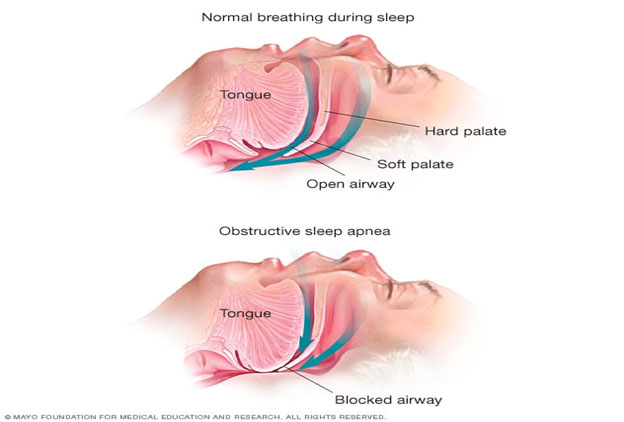
What is Sleep Apnea?
Sleep apnea is a disorder in which a person experiences repeated pauses in breathing during sleep. These pauses, known as apneas, can last for a few seconds to several minutes and occur due to a partial or complete blockage of the upper airway. The most prevalent form of sleep apnea is called obstructive sleep apnea (OSA), which results from the relaxation of throat muscles that obstruct airflow.
Causes and Risk Factors
Several factors can contribute to the development of sleep apnea. Some common causes and risk factors include:
- Obesity: Excess weight can increase the likelihood of developing sleep apnea as it can lead to the narrowing of the airway.
- Age: Sleep apnea is more prevalent in older individuals, although it can occur at any age.
- Gender: Men are more likely to be diagnosed with sleep apnea than women, although the risk increases in women after menopause.
- Genetics: There is evidence to suggest that genetics can play a role in the development of sleep apnea. Having a family history of the disorder can increase the risk.
- Nasal congestion: Chronic nasal congestion or obstruction can contribute to sleep apnea.
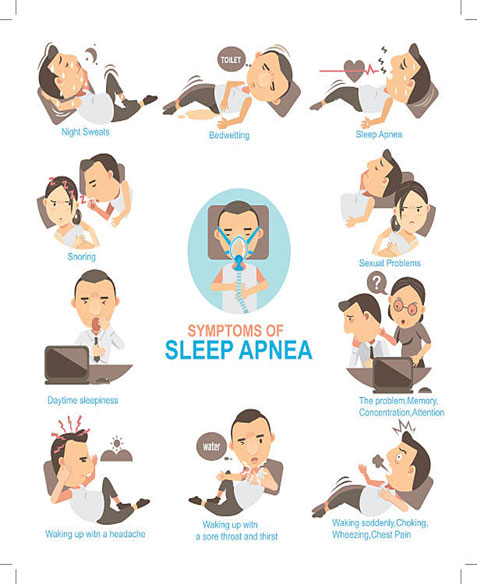
Symptoms
Sleep apnea often goes undiagnosed as the symptoms may be attributed to other causes or mistaken for general fatigue. Common signs and symptoms include:
- Loud snoring: Intermittent loud snoring is a common symptom, often accompanied by gasping or choking sounds during sleep.
- Excessive daytime sleepiness: Individuals with sleep apnea may experience persistent fatigue and drowsiness during the day, which can affect their concentration and overall quality of life.
- Morning headaches: Frequent morning headaches can result from oxygen deprivation during sleep apnea episodes.
- Irritability and mood swings: Sleep apnea can contribute to mood disturbances, including irritability, depression, and anxiety.
Health Risks
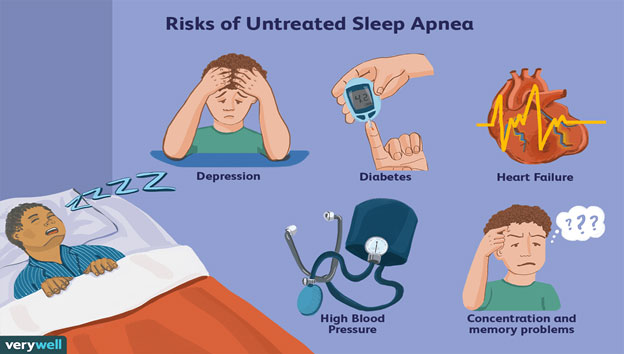
Untreated sleep apnea can lead to various health complications, including:
- Cardiovascular problems: Sleep apnea increases the risk of high blood pressure, heart disease, stroke, and irregular heart rhythms.
- Diabetes: There is a strong association between sleep apnea and the development of insulin resistance and type 2 diabetes.
- Weight gain: Sleep apnea disrupts the balance of hormones responsible for appetite regulation, leading to weight gain and difficulty in losing weight.
- Mental health issues: The chronic sleep deprivation caused by sleep apnea can contribute to mental health conditions such as depression, anxiety, and cognitive decline.
The treatment for sleep apnea depends on the severity of the condition. Common treatment options include:
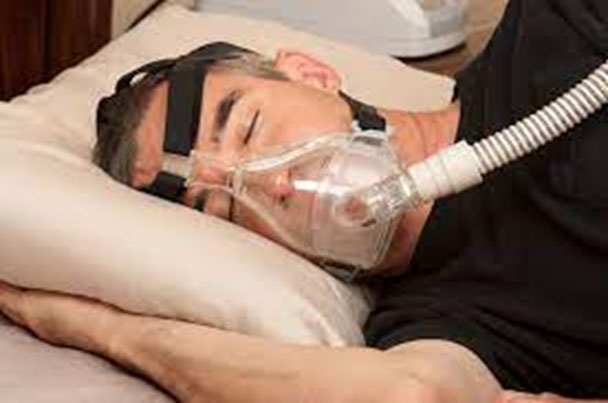
1. Continuous Positive Airway Pressure (CPAP): This is the most common and effective treatment for sleep apnea. CPAP involves wearing a mask over the nose and/or mouth during sleep, which delivers a continuous flow of air pressure to keep the airway open.
- Oral appliances: These devices are custom-made by dentists and help keep the airway open by repositioning the jaw or tongue.
- Lifestyle changes: Weight loss, regular exercise, avoiding alcohol and sedatives, and sleeping on the side instead of the back can help reduce the severity of sleep apnea.
- Surgery: In some cases, surgical interventions may be considered to address structural issues
obstructing the airway.
Conclusion
Sleep apnea is a serious sleep disorder that can significantly impact both physical and mental health if left untreated. Recognizing the symptoms and seeking medical evaluation is crucial for timely diagnosis and appropriate treatment. With the right interventions, individuals with sleep apnea can significantly improve their quality of sleep and reduce the associated health risks, leading to a healthier and more fulfilling life.
WE AT RATHI HOSPITAL JODHPUR RUN AN EXCLUSIVE SLEEP LAB TO TREAT SLEEP APNEA PATIENTS SINCE LAST 21 YRS, WE ARE THE PIONEERS IN SLEEP MEDICINE IN RAJASTHAN AND HOLD THE PRESTIGE OF BEING THE FIRST SLEEP LAB IN RAJASTHAN.
WE PROVIDE ALL KIND OF SLEEP APNEA RELATED SERVICES FROM SLEEP STUDY, CPAP TITRATION STUDY, HOME SLEEP STUDY, PROVIDING CPAP MACHINE ON RENT, PURCHASING NEW CPAP/ BIPAP MACHINE FOR PATIENT.