
Introduction:
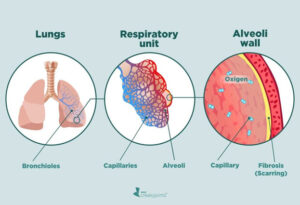
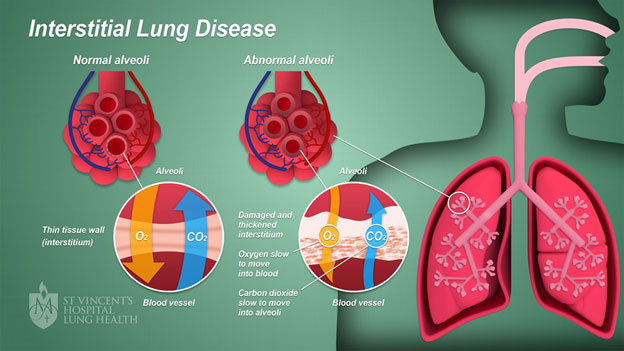
Interstitial Lung Disease (ILD) refers to a group of lung disorders that involve inflammation and scarring of the interstitial tissue, which supports the air sacs (alveoli) in the lungs. This condition can cause difficulty in breathing, reduced lung capacity, and impaired oxygen exchange. Understanding the causes, recognizing the symptoms, and exploring treatment options is crucial for effectively managing ILD. In this article, we will delve into the intricacies of ILD to shed light on this complex respiratory condition.
Causes of ILD:
ILD can have various causes, including:
- Environmental factors: Exposure to certain substances such as asbestos, silica, coal dust, and bird droppings can lead to ILD. Occupational exposure, especially in industries like mining, construction, and agriculture, can increase the risk.
- Autoimmune disorders: Certain autoimmune diseases like rheumatoid arthritis, scleroderma, and systemic lupus erythematosus (SLE) can contribute to ILD. The immune system mistakenly attacks the lung tissue, leading to inflammation and scarring.
- Medications: Certain medications, such as some chemotherapy drugs and antibiotics, can cause drug-induced ILD. It is important to discuss potential side effects with your healthcare provider.
- Idiopathic causes: In some cases, the exact cause of ILD remains unknown, and it is referred to as idiopathic interstitial lung disease (IILD). Idiopathic Pulmonary Fibrosis (IPF) is the most common subtype of IILD.
Symptoms of ILD:
The symptoms of ILD can vary depending on the specific type and stage of the disease. However, common symptoms include:
- Shortness of breath, especially during physical activity.
- Dry, persistent cough.
- Fatigue and weakness.
- Chest discomfort or pain.
- Gradual weight loss.
- Clubbing of the fingers (enlargement of the fingertips).
- Bluish tinge to the lips or nails (cyanosis) in advanced stages.
It is important to note that these symptoms may resemble those of other respiratory or cardiac conditions, making an accurate diagnosis crucial.
Treatment Options:
The treatment approach for ILD depends on the underlying cause, severity, and progression of the disease. While ILD cannot be fully reversed, appropriate management can help slow its progression and improve quality of life. Treatment options may include:
- Medications: Corticosteroids and immunosuppressive drugs may be prescribed to reduce inflammation and manage symptoms. Medications targeting specific immune responses, such as anti fibrotic agents for IPF, may also be used.
- Oxygen therapy: Supplemental oxygen may be prescribed to improve oxygen levels in the blood, reduce shortness of breath, and enhance overall well-being.
- Pulmonary rehabilitation: This program involves exercise, breathing techniques, and education to improve lung function, endurance, and overall fitness.
- Lung transplantation: In severe cases of ILD where lung function significantly deteriorates, lung transplantation may be considered as a last resort.
- Lifestyle modifications: Avoiding environmental triggers, such as cigarette smoke, air pollution, and occupational hazards, is crucial. Eating a balanced diet, staying physically active within your limitations, and managing stress can also contribute to overall health.
Conclusion:
Interstitial Lung Disease (ILD) encompasses a range of lung disorders characterized by inflammation and scarring of the interstitial tissue. While ILD presents challenges, early diagnosis, appropriate treatment, and lifestyle modifications can significantly improve the prognosis and quality of life for individuals living with this condition. If you experience persistent respiratory symptoms, seek medical attention for a proper evaluation and diagnosis. Working closely with healthcare professionals is essential to manage ILD effectively and maintain respiratory health.