
Introduction:
Allergies are a common health concern affecting millions of people worldwide. Whether it’s seasonal allergies that emerge during specific times of the year or year-round allergies triggered by various substances, understanding the causes, symptoms, and treatment options is essential for managing these conditions effectively. In this blog post, we will explore the basics of allergies and provide valuable insights into dealing with them.

What are Allergies?
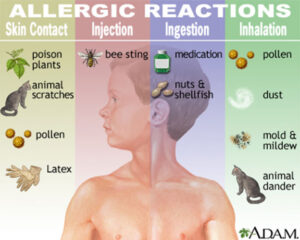
An allergy is an abnormal response of the immune system to typically harmless substances known as allergens. Common allergens include pollen, dust mites, pet dander, certain foods, insect stings, and medications. When an allergic individual comes into contact with an allergen, their immune system reacts by producing antibodies, particularly Immunoglobulin E (IgE), leading to the release of chemicals such as histamine. This release triggers a cascade of allergic symptoms.
Common Types of Allergies
1: Seasonal Allergies: Seasonal allergies, also known as hay fever or allergic rhinitis, occur during specific times of the year when certain plants release pollen into the air. Symptoms include sneezing, itching, runny or stuffy nose, watery eyes, and fatigue.
2: Food Allergies: Food allergies result from the body’s immune system reacting to specific proteins present in certain foods. Common food allergens include peanuts, tree nuts, eggs, milk, soy, wheat, fish, and shellfish. Symptoms can range from mild itching and swelling to severe reactions like anaphylaxis, which is a life-threatening emergency.
3: Environmental Allergies: Environmental allergies are triggered by substances present in our surroundings, such as dust mites, pet dander, mold spores, and cockroach particles. These allergies can cause respiratory symptoms like coughing, wheezing, chest tightness, and difficulty breathing.
4: Insect Sting Allergies: Some individuals experience allergic reactions to insect stings from bees, wasps, hornets, or fire ants. While most people only experience localized reactions, such as pain, redness, and swelling, others may develop severe systemic reactions, including difficulty breathing and dizziness.
Symptoms and Diagnosis
Allergy symptoms can vary depending on the type and severity of the allergic reaction. Common signs of allergies include:
- Sneezing and nasal congestion
- Itchy or watery eyes
- Skin rash or hives
- Itchy throat or ears
- Coughing or wheezing
- Shortness of breath
- Abdominal pain, diarrhea, or vomiting (in food allergies)
Advanced Techniques in Bronchoscopy: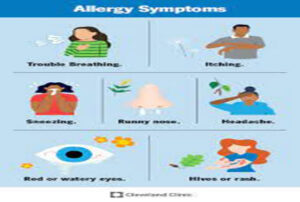
To diagnose allergies, a medical professional may perform various tests, including skin prick tests, blood tests to measure IgE levels, and elimination diets for suspected food allergies. These tests help identify the specific allergens causing the symptoms.
Treatment Options
- Avoidance: The most effective way to manage allergies is to avoid exposure to allergens. For example, staying indoors on high pollen days, using allergen-proof bedding for dust mite allergies, or avoiding certain foods for food allergies.
- Medications: Over-the-counter or prescription medications can help alleviate allergy symptoms. Antihistamines, nasal corticosteroids, decongestants, and eye drops are commonly used to provide relief. It’s important to consult with a healthcare professional to determine the right medication and dosage.
- Immunotherapy: Immunotherapy, commonly known as allergy shots, is an option for individuals with severe allergies. It involves regular injections of small amounts of allergens to desensitize the immune system over time, reducing the body’s allergic response.
- Emergency Epinephrine: Individuals with severe allergies,